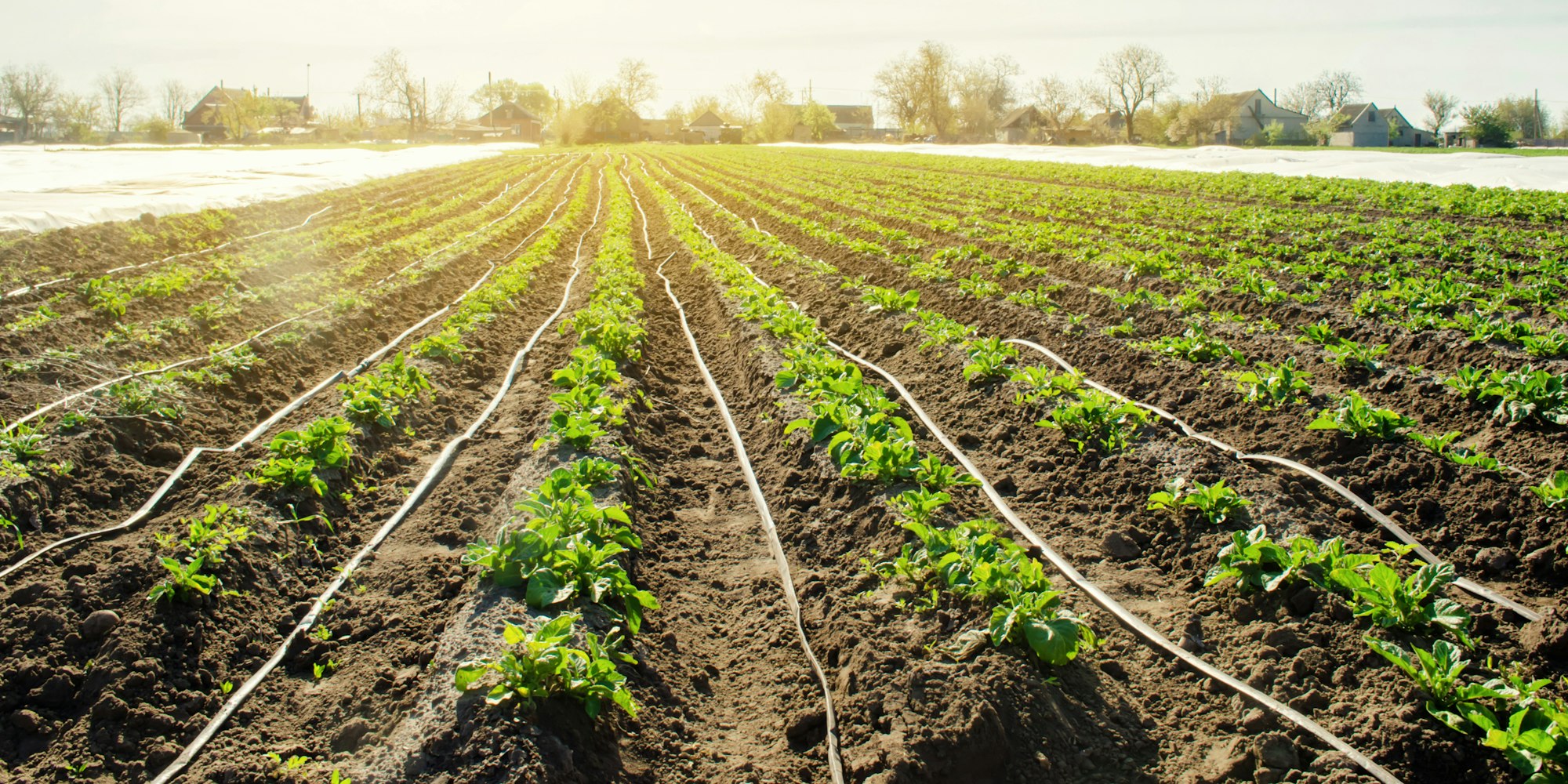
Artificial Intelligence is transforming agriculture in unprecedented ways, and smart irrigation represents one of the most impactful applications. Traditional irrigation methods often lead to water waste and uneven crop development, but AI-driven systems are changing this narrative completely.
Understanding Smart Irrigation
Smart irrigation systems use a combination of sensors, machine learning algorithms, and automated controls to deliver the exact amount of water needed by crops at precisely the right time. These systems consider multiple factors:
- Soil moisture levels
- Weather predictions
- Crop growth stages
- Evapotranspiration rates
- Historical yield data
The AI Advantage
What makes AI-driven irrigation systems truly revolutionary is their ability to learn and adapt. Unlike traditional timer-based systems, AI can:
Predict Future Needs
By analyzing weather patterns, soil conditions, and crop requirements, AI can anticipate irrigation needs days in advance.
Optimize Water Distribution
Machine learning algorithms ensure that each zone receives the optimal amount of water based on specific crop requirements and soil conditions.
Reduce Waste
Studies show that AI-driven irrigation systems can reduce water consumption by up to 30% while maintaining or even improving crop yields.
Implementation Success Stories
Several farms across India have already implemented smart irrigation with remarkable results. A cotton farm in Maharashtra reported a 25% increase in yield while reducing water usage by 40% after implementing an AI-driven irrigation system.
"The smart irrigation system has completely transformed our farming operations. We're not just saving water; we're growing better crops with less effort." - Farmer testimonial from Maharashtra
Getting Started
For farmers interested in adopting smart irrigation:
- Assess Your Current System: Evaluate existing irrigation infrastructure
- Choose the Right Technology: Select sensors and controllers suitable for your crops
- Plan Implementation: Start with a pilot area before scaling up
- Monitor and Adjust: Use data analytics to continuously improve system performance
The Future Outlook
As AI technology continues advancing, we can expect even more sophisticated irrigation systems that integrate with satellite imagery, drone monitoring, and predictive analytics. The future of farming is smart, sustainable, and data-driven.
Investing in smart irrigation today positions farmers for success in tomorrow's agricultural landscape. The technology is becoming more accessible and affordable, making it a viable option for farms of all sizes.