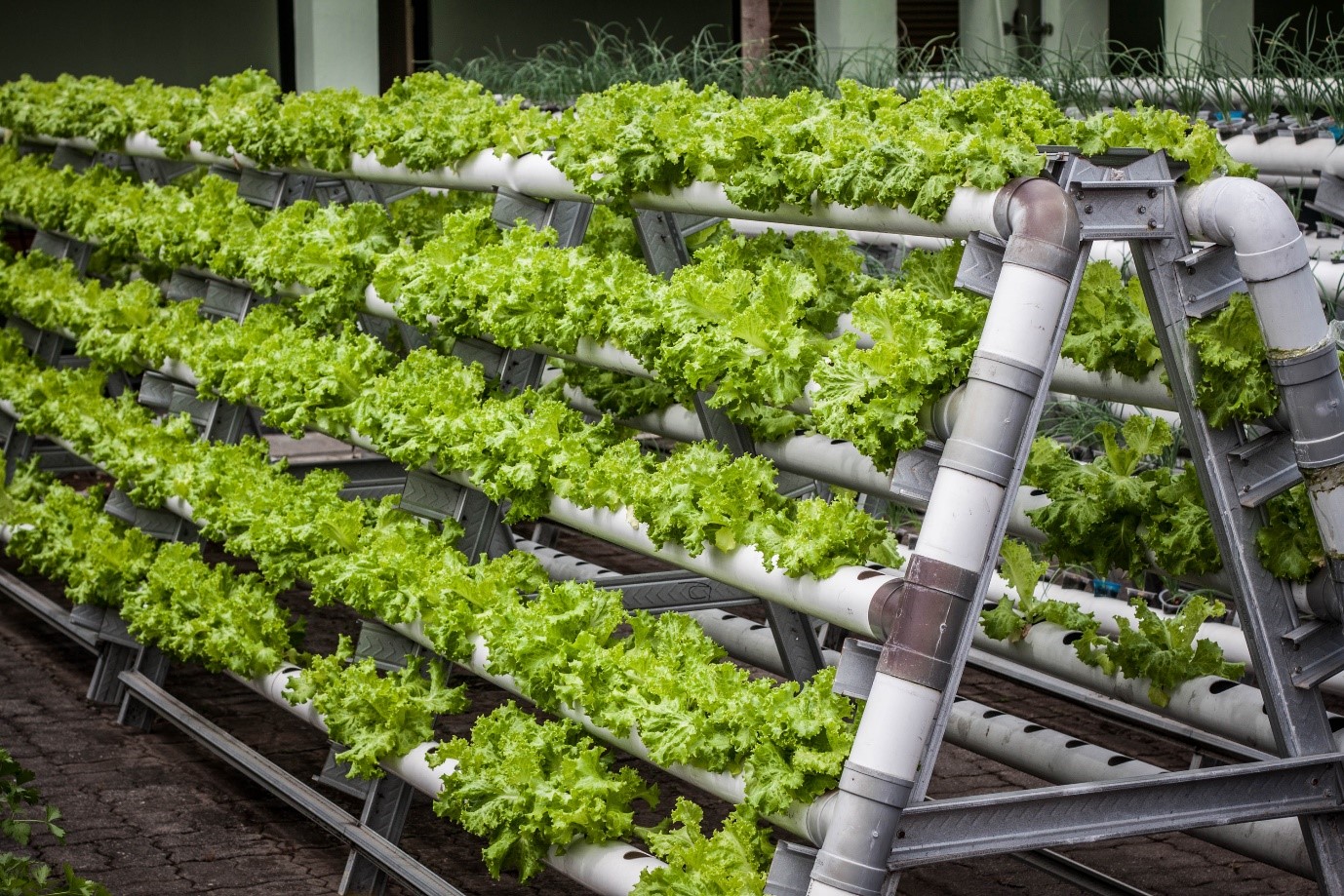
Vertical farming represents one of the most innovative approaches to agriculture, offering solutions to some of the most pressing challenges facing food production today. As urbanization accelerates and arable land becomes scarce, vertical farming emerges as a sustainable method to grow food in controlled environments using minimal space and resources.
What is Vertical Farming?
Vertical farming is the practice of growing crops in vertically stacked layers, typically in controlled-environment facilities. These systems use soilless cultivation methods such as hydroponics, aeroponics, or aquaponics, combined with artificial lighting and climate control to create optimal growing conditions.
Key Technologies in Vertical Farming
LED Lighting Systems
Advanced LED arrays provide precise light spectrums optimized for different growth stages and crop types. Modern systems can:
- Adjust light intensity and spectrum in real-time
- Reduce energy consumption by 40-60% compared to traditional lighting
- Extend growing seasons and accelerate plant growth
- Enable 24/7 production cycles
Hydroponic Systems
Nutrient-rich water solutions replace soil, providing plants with precisely controlled nutrition. Benefits include:
- 90% less water usage compared to traditional farming
- Faster plant growth and higher yields
- Elimination of soil-borne diseases
- Precise nutrient control
Climate Control
Sophisticated HVAC systems maintain optimal temperature, humidity, and air circulation:
- Consistent growing conditions year-round
- Protection from weather extremes
- Reduced pest and disease pressure
- Optimized CO2 levels for enhanced photosynthesis
Automation and Robotics
Automated systems handle planting, monitoring, and harvesting:
- Reduced labor costs and human error
- Consistent crop quality
- 24/7 monitoring and maintenance
- Scalable operations
Advantages of Vertical Farming
Space Efficiency
Vertical farms can produce 365 times more food per square foot compared to traditional farming, making them ideal for urban environments where land is expensive and scarce.
Year-Round Production
Climate-controlled environments enable continuous harvesting regardless of weather conditions or seasons.
Resource Conservation
Vertical farms use:
- 95% less water through recirculating systems
- No pesticides due to controlled environments
- 70% less fertilizer through precision nutrient delivery
- Zero agricultural runoff
"Vertical farming is not just about growing up – it's about growing smarter, more efficiently, and more sustainably than ever before." - Urban Agriculture Expert
Crop Selection and Optimization
Ideal Crops
Vertical farming works best for:
- Leafy greens (lettuce, spinach, kale)
- Herbs (basil, cilantro, mint)
- Microgreens and sprouts
- Small fruits (strawberries, cherry tomatoes)
- Specialty crops with high value
Growth Optimization
Technology enables:
- Customized growing protocols for each crop variety
- Precise control of growth parameters
- Accelerated breeding and variety development
- Quality enhancement through environmental manipulation
Economic Considerations
Initial Investment
Vertical farming requires significant upfront capital:
- Facility construction and equipment
- LED lighting systems
- Climate control infrastructure
- Automation and monitoring systems
Operating Costs
Primary ongoing expenses include:
- Energy costs (primarily lighting)
- Labor and management
- Nutrients and growing media
- Maintenance and equipment replacement
Revenue Streams
Multiple income sources:
- Premium fresh produce sales
- Direct-to-consumer marketing
- Restaurant and grocery partnerships
- Agritourism and educational programs
- Technology licensing and consulting
Global Success Stories
AeroFarms (USA)
World's largest vertical farm producing 2 million pounds of leafy greens annually using 95% less water than traditional farming.
Spread (Japan)
Automated lettuce factory producing 30,000 heads daily with minimal human intervention.
Growing Underground (UK)
Underground vertical farm in London tunnels producing micro-greens and herbs year-round.
Sky Greens (Singapore)
Rotating vertical farming system optimizing sunlight exposure while maximizing production density.
Environmental Impact
Positive Impacts
- Reduced water usage and runoff
- Elimination of agricultural chemicals
- Lower transportation emissions
- Preservation of natural ecosystems
- Reduced soil erosion and degradation
Areas for Improvement
- Energy efficiency optimization
- Renewable energy integration
- Sustainable packaging solutions
- Circular economy practices
Future Innovations
Artificial Intelligence
AI-powered systems will enable:
- Predictive crop management
- Automated decision-making
- Yield optimization algorithms
- Quality prediction and control
Advanced Genetics
Crop varieties specifically designed for vertical farming:
- Compact plant architecture
- Enhanced nutritional content
- Faster growth cycles
- Improved stress tolerance
Implementation Guidelines
For entrepreneurs considering vertical farming:
- Market Research: Analyze local demand and competition
- Financial Planning: Develop comprehensive business models
- Technology Selection: Choose appropriate systems for target crops
- Location Analysis: Evaluate sites for accessibility and utilities
- Regulatory Compliance: Understand food safety and building requirements
- Partnership Development: Collaborate with technology providers and buyers
The Road Ahead
Vertical farming represents a paradigm shift toward sustainable, local food production. While challenges remain, advancing technology and growing market acceptance position vertical farming as a crucial component of future food systems.
As urban populations continue growing and climate change impacts traditional agriculture, vertical farming offers a path toward food security, environmental sustainability, and economic opportunity in the heart of our cities.